Your business may be more sophisticated, experienced, and valuable than it was five or ten years ago. But has the way you present it kept up? If not, you may be inadvertently surrounding $600 worth of value with $40 signals.
2027 Is Coming. Is Your Brand & Marketing Ready? →

BROWSE BY TOPIC
ALL | BRAND STRATEGY | MARKETING & GROWTH | LEADERSHIP & MANAGEMENT | SELF EMPLOYMENT & PRODUCTIVITY | IMPACT & RESULTS | NEWS
NEWSLETTERS
Your business may be more sophisticated, experienced, and valuable than it was five or ten years ago. But has the way you present it kept up? If not, you may be inadvertently surrounding $600 worth of value with $40 signals.
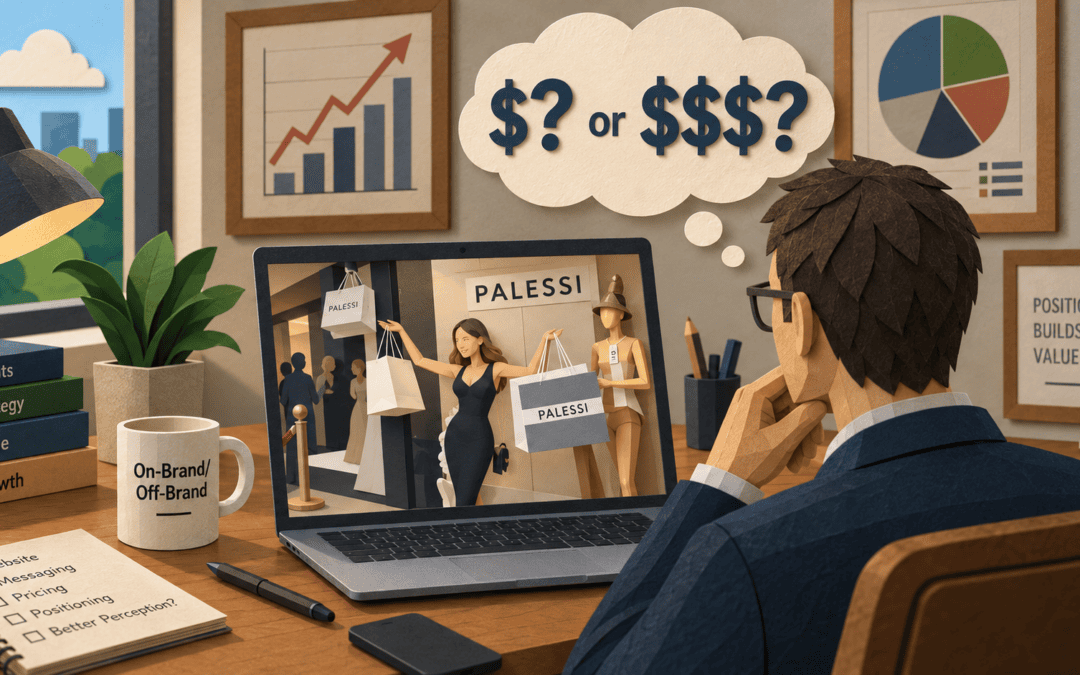
Your business may have become more sophisticated, experienced, and valuable while the way you present it stayed the same. The Palessi experiment offers a powerful lesson in how positioning shapes perception, and what happens when the signals surrounding your business don’t match the value you actually deliver.
One A Day Vitamin’s decision to cast Ludacris as their spokesperson wasn’t random. It’s a lesson in understanding your brand’s audience. Knowing your audience isn’t just their age, income, or job title, it’s understanding what they value, who they trust, and how they see themselves. The brands that win go beyond demographics.
A referral may introduce you, but AI is increasingly making the first impression. As more prospects turn to ChatGPT, Claude, Gemini, and other AI tools to evaluate people and businesses, your reputation depends on more than search rankings, it depends on the body of work you’ve published over time.

As businesses grow, their brands often lag behind. Positioning becomes less clear, messaging grows inconsistent, and marketing stops reflecting who the business has become. When your brand no longer aligns with reality, the hidden costs quietly affect marketing, decision-making, and future growth.
Most businesses don’t need more marketing. They need clarity on what’s on-brand and what’s off-brand. Introducing On-Brand/Off-Brand, the newsletter formerly known as The Creative Brief.
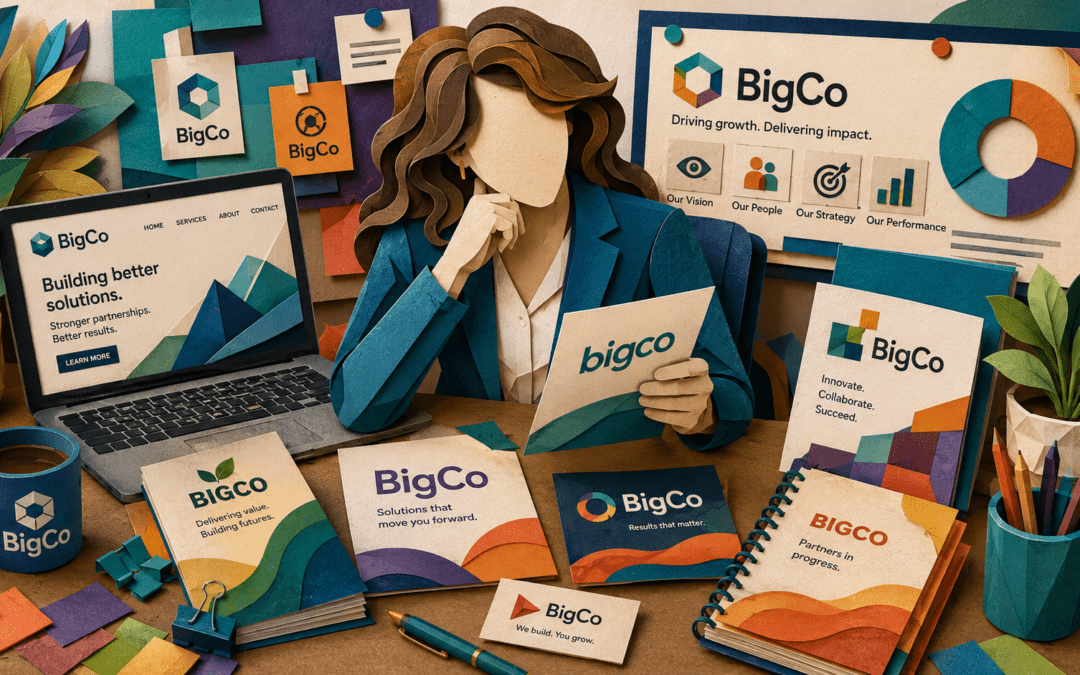
Most businesses focus on logos, messaging, or design. But what actually holds a brand together is consistency. When positioning, messaging, and identity are aligned and applied consistently, decision-making gets easier, marketing becomes more effective, and your brand builds trust over time.

Pricing isn’t just a number, it’s a signal shaped by context. When your positioning is unclear, buyers define your value for you, often leading to price resistance. The issue usually isn’t your pricing—it’s how you’re being perceived.

In his latest interview with Bold Journey Andy Brenits shares insights on clarity, purpose, and business growth, explaining why most challenges aren’t execution problems but clarity problems, and how better thinking leads to better decisions.
Pricing isn’t just a number. It’s a signal. When pricing aligns with positioning, it attracts the right prospects, sets expectations early, and reduces friction. If it feels off, for you or your prospect, the issue usually isn’t the price. It’s the positioning behind it.
Q1 is done—and this is where many businesses start to drift. Not because of lack of effort, but because decisions are being made without a clear plan. Using a simple Start, Stop, Continue exercise helps you reset priorities, reduce noise, and make more consistent, on-brand decisions heading into Q2.

Most businesses don’t need more ideas. They need clearer direction. In this article I explain the difference between brand strategy and creative strategy, and why clarity leads to better decisions, stronger marketing, and more consistent growth.