Pricing isn’t just a number, it’s a signal shaped by context. When your positioning is unclear, buyers define your value for you, often leading to price resistance. The issue usually isn’t your pricing—it’s how you’re being perceived.
Mission, vision, values, and positioning statements are the most widely recognized strategic tools used to define a company’s business, strategic objectives, and overall approach to reach those objectives. Another less frequently recognized strategic statement that many companies neglect to employ is the Purpose statement.
From focused strategic clarity and in-depth research to ongoing advisory and brand execution, here are the primary ways we strengthen positioning, decision-making, and long-term growth.
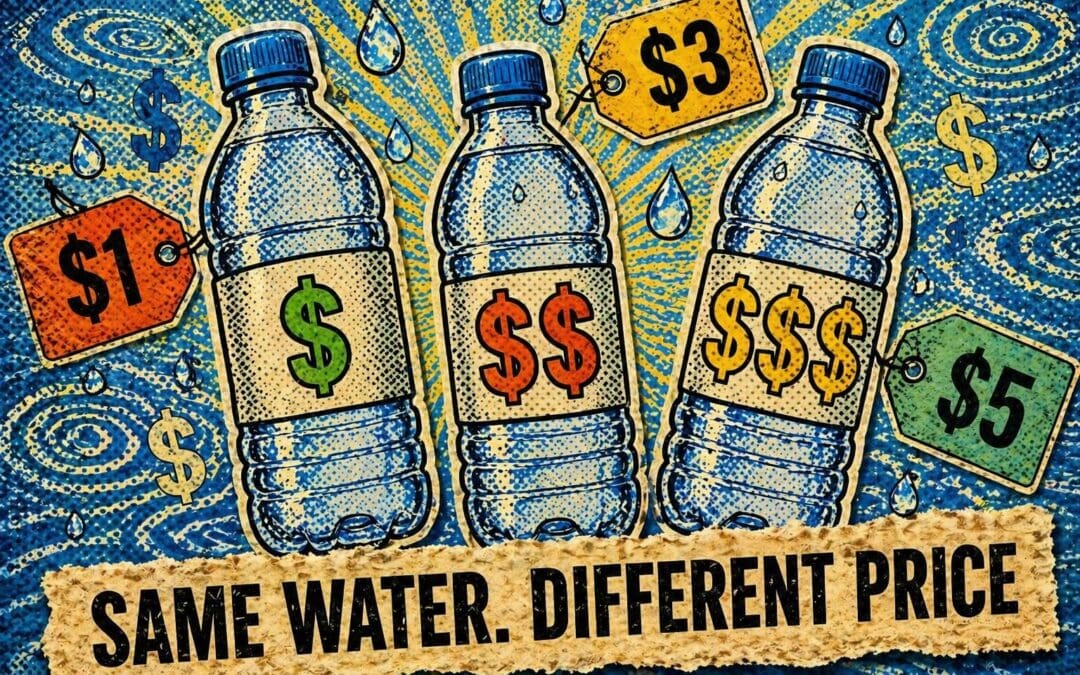
Pricing communicates more than cost—it signals value, shapes perception, and positions your brand in the marketplace. Whether it’s Evian vs. store-brand water or a consultant who’s “not cheap but worth it,” pricing influences how others talk about you. A strategic approach to pricing can elevate your brand, attract the right clients, and reinforce your reputation.
The fear factor in marketing takes center stage. But is using scare tactics really the best strategy for building a brand? While fear can grab attention in the short term, it often leads to distrust and alienation among consumers. Brands that prioritize genuine connections and positive messaging are more likely to foster loyalty and long-lasting relationships.
Marketing and branding have important roles in attracting customers and encouraging their loyalty. While marketing uses data to understand customer desires and drive actions, branding leverages creativity to forge deeper emotional connections. A strong brand also provides the foundation for effective marketing strategies and tactics.
The “Start, Stop, Continue” method is not just an exercise in reflection; it’s a strategic tool for transformation. By methodically evaluating your past year’s efforts and planning for the future, your business is well-positioned to enter the new year with a revitalized, more effective branding and marketing strategy.
Showing gratitude enhances customer loyalty, brand differentiation, and employee morale, fostering long-term success and ethical practices.
Have you ever felt an inexplicable connection with a brand? It might not just be about their product or service but the emotions they evoke in you.
People build emotional ties to the brands they love and use every day. When you change a brand’s visual identity, you change its face. If you change it too much, loyal users will feel as if they are looking at a stranger.
As a business owner, it’s crucial to evaluate and update your brand periodically to stay relevant. Changes within your business directly impact its brand, and regular assessment ensures alignment with your evolving objectives and target audience.
A company’s identity extends beyond its visual representation, known as corporate identity, which contributes to brand recognition but represents only a fraction of the overall brand. The true essence of a brand lies in its intangible qualities.